Nutrition science and information is constantly changing. Although this article has good points, my opinions and research have developed and changed. If you want to get started eating right for you, check out this new post on nutrition for beginners.
Low carb eating is in fashion. It’s not necessarily a bad fashion. Generally speaking the population is becoming more knowledgeable about good food choices, what is healthy and what is not. However, most of the time the knowledge of why things are healthy or good habits is simply not there. Carbs are getting a bad name, but not a lot of people really get why. They help your body function and are essential to the diet. You need them…just not too many.
A Bit of Background
Carbohydrate is basically sugar. The primary sugar in your body is glucose. Glucose is the most preferred fuel and source of energy for the body. It is stored in your body as glycogen. When your blood sugar is low, this is what the body will break down and release into the blood stream for use by your organs and muscles. As I have mentioned before, your body is very intelligent, much more than you. If you are glycogen depleted, it will make some. It does so by breaking down fat and/or protein. This process is going to take a bit longer than breaking down glycogen.
Why You Need Carbs
- Glucose is the choice of fuel for the brain.
- Glucose is the bodies’ main source of fuel.
- Carbohydrate intake causes a spike in insulin, after workout this is very desirable as it aids fuel uptake and muscle building and regeneration (this is also the exact reason you don’t want too much at the wrong times)
- Carbs are the quickest source of fuel for your body to use.
- If you are partaking in intense exercise, or sport, you need carbs to fuel optimum performance.
- Fat and protein are the next sources that the body will make glucose from. This sounds ok in theory, however if you are breaking down fat, it is released much slower and you may not have a very efficient workout. If you are breaking down protein then you are breaking down muscle. You don’t want that.
- Some Carbs provide a lot of fibre; fibre helps keep your digestive system healthy. Keeps things moving in there, you don’t want your pipes clogged.
But Not Too Much
There is a reason why they have developed a bad name. It is just generally misinterpreted and misunderstood.
Insulin
Insulin can be your best friend, or your worst enemy. It is your most anabolic hormone. Insulin aids in the uptake of fuel into your bodies. This is a really important hormone for muscle building and growth. The thing is, carbohydrates, in particular refined (high GI) stimulate insulin release. When you eat, your food gets into your blood stream. When your blood glucose is high, or even elevated a little, insulin is released. The higher your blood glucose spike, the bigger the insulin spike.
When you are in a resting state (i.e. have not exercised) Adipose Tissue (fat cells) is far more sensitive to excessive insulin production. What does this mean? Well, if you have a big spike in insulin production, your fat cells are going to get fed. Whatever you ate, is more likely to be stored as fat. Especially when your body doesn’t actually need the glycogen replenishment. A high GI and fatty meal is even more likely to go straight to your fat cells.
If you are continually producing excess insulin, your body will eventually become resistant to it. Insulin resistance…sound familiar? Yes, it’s what happens when you have Type 2 diabetes. Not what you want. Insulin is an important hormone that you need functioning. You just need to know how to manipulate it to your advantage.
Carbs Are Yummy
Apart from the insulin issue, it is actually pretty easy to eat more carbs than you need. They are pretty high in energy and often contain a lot of calories. When we are consuming high GI, they aren’t as filling and it is way too easy to eat way too many. High GI carbohydrates often come in the form of white bread / pasta, lollies, sugary drinks, and much more tasty addictive things that you can very easily binge on (Note: Not all high GI carbs are bad for you, they just have the biggest influence on blood sugar levels, some fruits have a very high GI…you know you can and need to eat them. Generally speaking you need to keep away from refined sources of carbohydrates, such as white bread and lollies). High GI, and a lack of fibre means quick energy bursts, and are generally not as filling. Too much carbs means too many calories. Too many calories means weight gain.
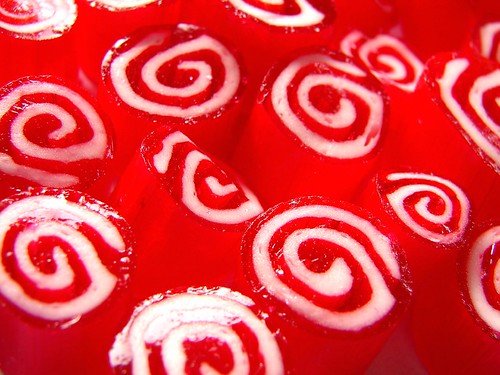
some refined, high GI carbs…
When Should You Eat Carbs
I did say insulin can be your best mate. It is an anabolic hormone, which means growth. After you do weights, or a workout. You want to grow. You at least want to repair. After exercising, your body wants carbs, and it needs them. It is very glucose tolerant. After exercise you are much more likely to store the fuel where you want it, and need it, in your muscles. Combine some carbohydrate with the protein that your muscles need to repair, and you have a very good formula. In fact, high GI carbs are the best choice right after workout as they are absorbed much more easily and aid the uptake of protein.
You are also much more glucose tolerant in the morning. So for breakfast, get in some carbs (like oatmeal, whole grain bread, fruits), fuel your body for the long day ahead.
Eat The Right Stuff…Often
Carbs are OK during the day too. You shouldn’t eliminate them. Your body still needs them to function when you aren’t exercising. If you are concentrating on low GI and high fibre carbs (whole grain stuff and vegies being a very good example), the insulin response won’t be as great, and you are less likely to store fat. If you eat every 3 hours, your blood sugar doesn’t ever really drop. Which means less of an insulin spike during the day. Less insulin spike means less chance for your fat cells to gorge on your lunch. It also means you won’t feel as tired and crappy during the day.
Use Your Brain (Remember Glucose Is Its Main Fuel!)
I like carbs. Which is great, because I need to eat them. I don’t like diets to either extreme. When you are trying to drop weight/fat intelligence when eating is important. Timing is the key here. Eat more carbs when you need them. You need them in the morning, and after a workout. You don’t get them, you will be sluggish and you won’t recover. Remember two points…
- Carbohydrates provide your body with the easiest source of fuel to break down. If you are lacking, it’s going to make your bodies’ job a lot harder. Everyone needs a certain amount, the more active you are, the more you are going to need.
- Carbohydrates affect your blood glucose more than any other source. In particular high GI carbs. Blood glucose in turn affects insulin production. Excessive insulin when you don’t need it will cause fat storage and may lead to insulin resistance. Insulin production after a workout will cause muscle regeneration and growth.
Carbs are fine. But be smart.
Jason says
Ah, that was refreshing to read. Thanks for cutting through all the crap that’s been floating around out there about how carbs are the devil. I wish I could add something smart to the article, but this is pretty complete, thanks.
Lauren says
Thanks Jason. Appreciate the kind words. Carbs aren’t the devil, it’s just people often abuse them, and overeat them. Then of course it’s not going to be great for your body.
Cheers
RT the fitness guy says
Hey Lauren.
Got your comment over at Real Muscle Online and came over to say thanks.
Didn’t realize I was going to find such an awesome site!
I love your style of writing. I have subscribed to your RSS. I’ll be back – keep up the good work. Perhaps we could do a feature on our respective sites to give our readers something new?
RT
Adrian Nunez says
isnt it a common practice to eat some carbs pre-workout (meaning 1.5-2 hours before a lift) so you can get some energy for the workout.
good blog post.
Lauren says
Adrian
Depends on what exercise you are doing and what your goals are. You definitely want to have glycogen stores before you exercise. 2 hours is a good time to replenish. Most people will eat some carbs around then.
Awake In Rochester says
When I was on the G.I. (glucose index), diet I lost about weight fast. It sounds similar to what you have said about carbs. It makes good sense.
alex says
Great site and great article! It is not often that you find well informed people writing about fitness as you do. Will be back for more! Check me out as well, just getting started at http://aitank.com writing similarly about fitness and health.
Lauren says
Cheers alex, it’s nice to get some good feedback. I just checked out your blog, I’ll be back around there.
Elaine says
Thanks for your great site. I have been off work a week with pains in my right hip. I do go to the gym and these pains have got progressively worse. She diagnosed inflammation due to a virus. I asked her what exercises I could do to relieve the paid but she would not recommend any just to take inflammatory drugs and if it got worse she would recommend me to a physio, which could take 6 months as the NHS is short of them. I am going to the gym tomorrow and will see how I get on with the exercises you have shown. You pinpointed everything as I work at a desk all day I now know why I am getting these pains. Thanks!!!!!!!!!!
Justin says
I noticed pasta has been lumped in the “High” GI category. How is this so when dried boiled white pasta has a GI of 49??
The glycemic index goes from 0 to 100.
Pure glucose has a GI of 100.
High GI foods have an index which is higher than 70.
Low GI foods have an index which is less than 55.
Jasmine rice is approx 102 and baguette bread 90.
The focus should be more the portion serving of pasta due to it’s high carbohydrate content rather than it’s GI as is not high at allI!!!
Preowned golfclubs says
This is a very informative article. May I copy this article in my blog? surely I’ll write down the source. I was looking for these kind of articles. I am doing a project and this information is very useful for me. Great post!
Megan Vance says
@Justin
Anyway and anyhow pasta is one of the delicious food for me. My day is now complete if I can’t eat pasta but I have to watch my calorie intake now but still I’ll have pasta but not too much.